

what is a glass float
Understanding the 18% Globe Valve A Comprehensive Overview The globe valve is a widely used type of valve in various industrial applications, known for its excellent throttling capabilities and flow control characteristics. Among the various specifications and designs, the 18% globe valve stands out for its specific attributes and functional benefits. This article presents an overview of the 18% globe valve, examining its construction, operation, applications, and advantages. Construction and Design The 18% globe valve, like other globe valves, has a spherical body that aids in controlling fluid flow through the piping system. The key feature that sets the 18% globe valve apart is its internal structure, which is designed to create a specific resistance to flow – typically allowing for 18% of the total pressure drop across the valve. This design is conducive for operations requiring precise control of fluids, particularly in scenarios where modulation of flow is critical. The globe valve comprises several essential components the body, bonnet, disc, seat, and stem. The body serves as the main structure that houses other components, while the bonnet is attached to the body to provide access to the internal parts for maintenance. The disc, which is typically made from durable materials such as stainless steel or brass, interacts with the seat to regulate flow by either stopping or allowing it. The stem connects the disc to the actuator, making it possible to open and close the valve. Operation The operation of the 18% globe valve is straightforward yet highly effective. When the valve is opened, the disc moves away from the seat, allowing fluid to flow through the valve. As the valve is closed, the disc moves toward the seat, thereby creating a tighter seal and effectively stopping the flow. The significant feature of the 18% globe valve is its ability to control flow rates by offering a predetermined pressure drop that enhances system stability. The actuator mechanism – whether manual or powered – allows operators to adjust the position of the disc with precision. This feature is particularly beneficial in applications requiring careful modulation of flow, such as chemical processing, water treatment, and oil and gas distribution. 18 globe valve Applications The versatility of the 18% globe valve makes it suitable for a variety of applications across multiple industries. These valves are commonly used in water and wastewater management, where controlling flow rates is essential for system efficiency. In chemical processing facilities, the 18% globe valve assists in maintaining the safe and precise mixing of various substances. Additionally, in power generation plants, these valves play a critical role in cooling water systems and steam lines, ensuring optimal performance and reliability. The ability to handle high pressures and temperatures without compromising structural integrity further enhances their application scope. Advantages The 18% globe valve offers numerous advantages that contribute to its popularity in industrial settings. One of the key benefits is its superior throttling capability, which allows for better control of flow and pressure in a piping system. The design also minimizes turbulence, leading to reduced erosion and longer service life. Furthermore, the 18% globe valve is readily available in different materials and sizes, providing versatility and compatibility for various system requirements. This adaptability, combined with ease of maintenance due to access through the bonnet, makes the globe valve a practical choice for engineers and facility managers. In conclusion, the 18% globe valve represents a crucial component in modern industrial applications, merging reliable performance with precise flow control. Its robust construction, effective operation, and broad applicability make it an indispensable tool in achieving efficient system management and operational success. As industries continue to evolve, the importance of such valves is likely to remain paramount in ensuring flow regulation and safety across diverse environments.
about
what is a glass float
Understanding Spline Gage Calibration A Comprehensive Guide In the realm of precision manufacturing and quality control, the importance of accurate measurement cannot be overstated. Among the various tools employed by engineers and inspectors, spline gages play a crucial role in ensuring the reliability and performance of machined components. However, to maintain their accuracy, spline gages must be properly calibrated. This article discusses the fundamental aspects of spline gage calibration, including its importance, the calibration process, and best practices to achieve effective results. What is a Spline Gage? A spline gage is a measuring tool designed to evaluate the form and dimensions of spline profiles, which are often used in mechanical components such as gears, shafts, and couplings. Splines are key features that enable the transmission of torque between two parts without the risk of slippage. Accurate measurement of these profiles ensures that the components will fit together properly, minimizing wear and enhancing functionality. The Importance of Calibration Calibration is the process of verifying and adjusting the accuracy of measurement tools against a known standard. For spline gages, calibration is essential for several reasons 1. Accuracy Regular calibration ensures that spline gages are providing precise measurements, which is critical for maintaining the quality of manufacturing processes. 2. Compliance Many industries are governed by strict regulatory standards that require regular calibration of measurement tools to ensure compliance and maintain certifications. 3. Cost Efficiency Inaccurate measurements can lead to defective products, increased waste, and higher costs. Calibration minimizes these risks by ensuring that all measurements are correct from the outset. The Calibration Process Calibration of spline gages typically involves several key steps 1. Preparation Before beginning the calibration process, it is important to gather all necessary equipment, including certified calibration standards, measurement devices, and documentation forms. The environment should be controlled to minimize factors like temperature fluctuations and vibrations that could affect measurements. spline gage calibration 2. Verification of Standards Calibration standards, which are precision tools with known dimensions, must be verified. This ensures that the standards themselves are accurate and can be relied upon for calibrating the spline gage. 3. Measurement The spline gage is then measured against the calibration standards. This may involve using a comparator or other measuring devices to assess the gage's dimensions and profile accuracy. 4. Adjustment If discrepancies are found between the spline gage measurements and the calibration standards, adjustments must be made. This may involve mechanical adjustments or recalibrating the tool to align with the standard’s specifications. 5. Documentation Once the calibration process is complete, it is crucial to document the results thoroughly. This documentation should include details of the calibration procedure, any adjustments made, and the final measurements. Proper records will help maintain compliance and provide traceability. Best Practices for Effective Calibration To achieve reliable results during spline gage calibration, consider the following best practices - Regular Calibration Intervals Establish a schedule for regular calibration based on usage patterns and industry standards. Frequent calibrations can help catch inaccuracies before they affect production quality. - Train Personnel Ensure that all personnel involved in the calibration process are well-trained in measurement techniques and aware of the importance of proper calibration procedures. - Use Environmental Controls Where possible, perform calibrations in a controlled environment to reduce the chances of external factors influencing the results. - Utilize Advanced Technologies Consider investing in automated calibration systems that can improve accuracy and reduce human error in measurement processes. Conclusion In manufacturing and engineering, the precision of measurements plays a pivotal role in product quality and functionality. Calibration of spline gages ensures that these vital tools provide accurate measurements, thus supporting high-quality manufacturing practices. By following the systematic calibration process and adhering to best practices, companies can enhance their operational efficiency, reduce waste, and maintain compliance with industry standards. Ultimately, investing in spline gage calibration is an indispensable step toward achieving excellence in manufacturing.
-

High quality industrial productsagement

High quality industrial products
View Details -

Meet the diverse needs of customers

Meet the diverse needs of customers
View Details -

Strict quality control

Strict quality control
View Details -

Top raw materials

Top raw materials
View Details -

Trusted supplier

Trusted supplier
View Details
Our application


news and information
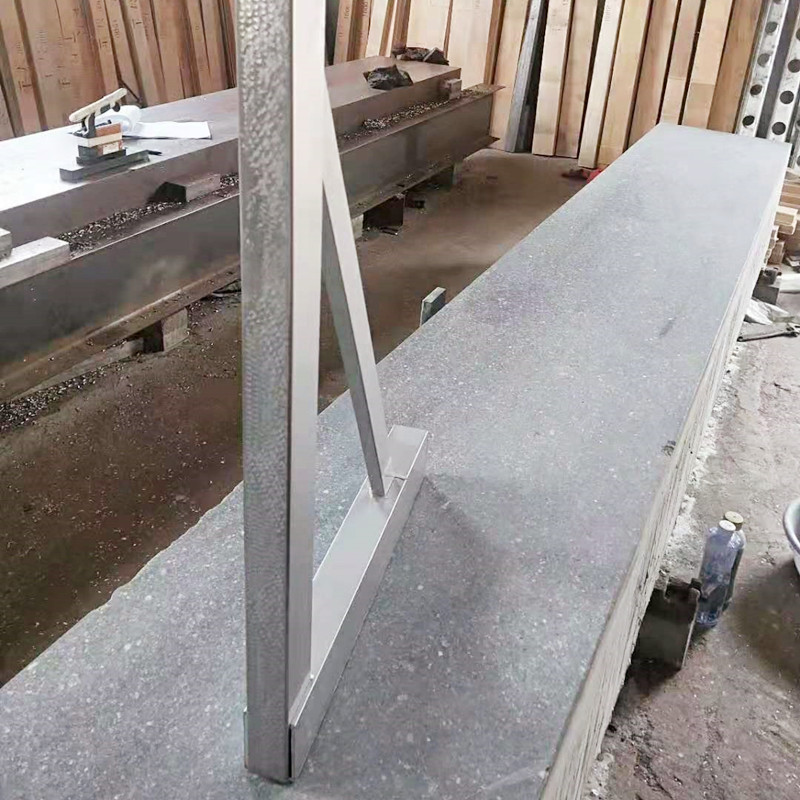
Welding Table Manufacturing Solutions from China for Reliable Performance and Quality
Welding Tables in China A Comprehensive Overview Welding tables are essential tools in the fabricati

Using a Measuring Stick and Level for Accurate Marking
marking ruler with spirit level .

Wskaźnik pierścienia gwintu standardowy
Standardy narzędzi do pomiaru gwintów – Gniazdo gwintowe Standardy narzędzi do pomiaru gwintów – Gni
 English